
Why I Started This Journey
This article explains the motivation behind creating this website
ARTICLES
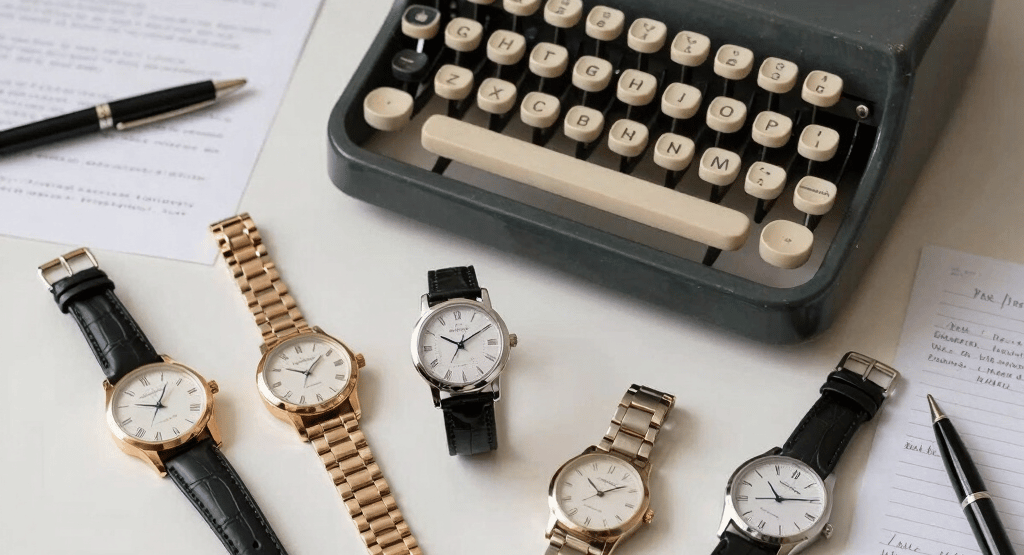
Microbrands and independent watchmakers occupy one of the last spaces in modern horology where creativity still outweighs marketing strategy.
Most major watch brands today are owned by just a handful of large corporations. Their designs are often shaped more by annual financial targets than by pure creativity. This raises a question I think about a lot: are these watches truly driven by innovation and craftsmanship, or by what will sell to the mass market? And how much do PR strategies and marketing campaigns influence what we, as consumers, are encouraged to desire?
This shift is understandable, as many brands now operate within large corporate structures that prioritize scale and stability alongside craftsmanship. This doesn’t mean that large brands no longer produce exceptional watches, but their creative decisions increasingly operate within marketing frameworks.
I have embarked on this journey to shed some light on microbrands and independent watchmakers. In the world of watch blogging, a wide range of subfields naturally emerges. With all due respect, I believe that microbrands and independent watchmakers best represent what genuine passion could be in the modern era.
Baudrillard uses the term “the consumer society” to describe society structured around consumption. According to him, “commodities are bought and displayed as much for their sign-value as for their use-value.” From this perspective, the value of watches as status symbols often outweighs their practical function in daily life. In other words, consumer demand often rewards visibility and prestige over technical mastery or genuine craftsmanship.
This dynamic is not meant to place a blame on society. It also shapes how watch companies operate. As mentioned above, watch companies have prioritized revenue over keeping the spirit of watchmaking alive. I can understand their positions, as many have become too large to fail. On the other hand, I also believe these companies have indirectly contributed to the rise of independent watchmaking, since many independent watchmakers first learned their craft within those corporations.
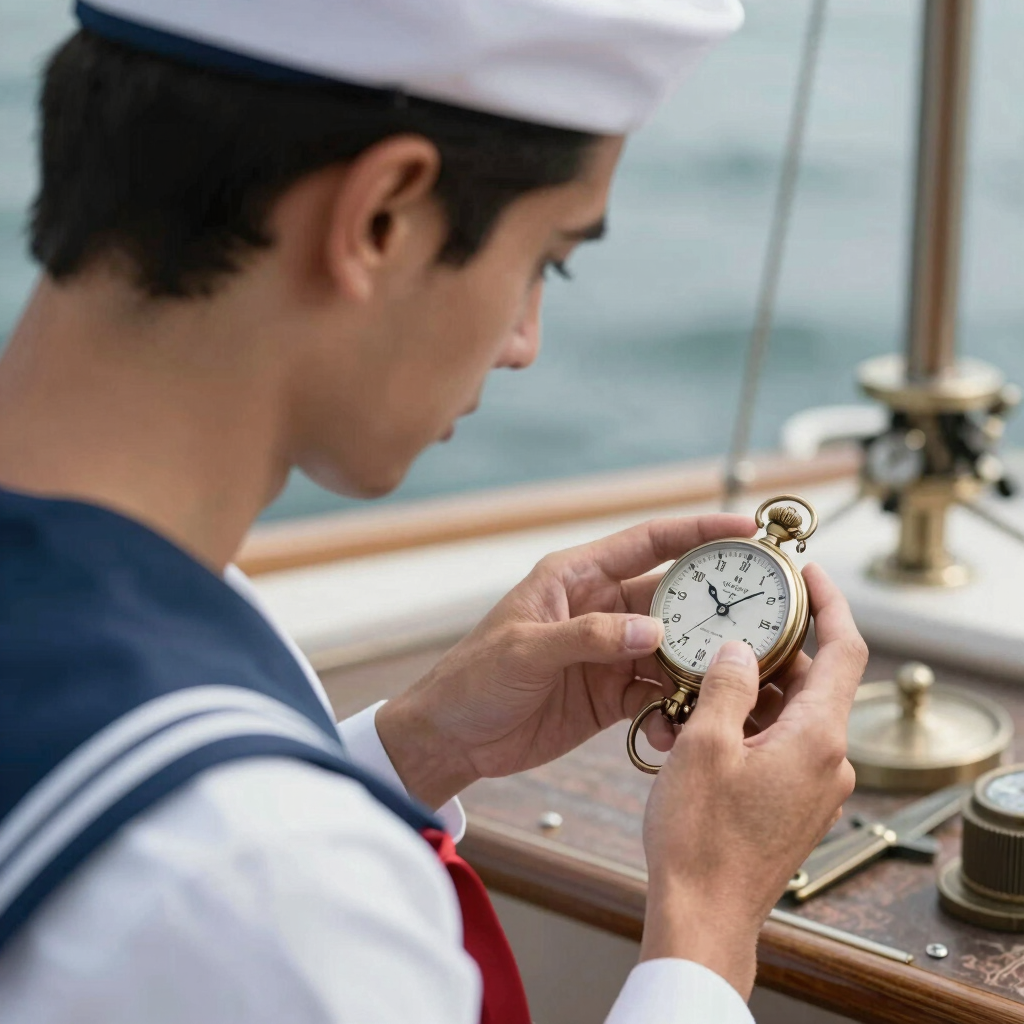
Watches have always held deep cultural and symbolic significance, and today I believe they do so more than ever. This is because our relationship with technology no longer depends on their technical capabilities. We no longer need to wait decades for someone to solve the “longitude problem” before setting sail . Mechanical watches once solved life-or-death navigation problems such as determining longitude at sea. Today, their meaning is cultural rather than technological.
While watches now serve more as cultural symbols than navigational tools, this shift also opens the door to superficial engagement.
A recent example illustrated this problem clearly. Not long ago, I watched a YouTube video featuring a social media influencer presenting his watches. He repeatedly gave incorrect details about his own pieces, forcing the host to continually correct him. It was clear that he knew very little about the watches themselves, even though he owned an impressive selection.
The influencer openly admitted that he owned those watches simply because his PR managers had suggested them. It all felt like he was just ticking boxes on an influencer’s to-do list. I also came across another YouTube video where a wealthy individual displayed a condescending attitude toward microbrands.
I have seen the same kind of ignorance and lack of seriousness in many other watch-related videos. To me, this reflects a deep disrespect toward the generations of dedication and craftsmanship that have shaped this industry.
Through this blog, I aim to explore watches not just as objects, but as cultural and sociological phenomena. I will examine how they reflect human values, social dynamics, and the meaning we attach to craftsmanship. If there are still exciting stories about watches today, it is because there are people who continue to treat them as objects worth understanding rather than simply owning.